Complete Guide to Industrial Spray Painting in London

Commercial Spray Painting London: Modern Look for Less
September 10, 2026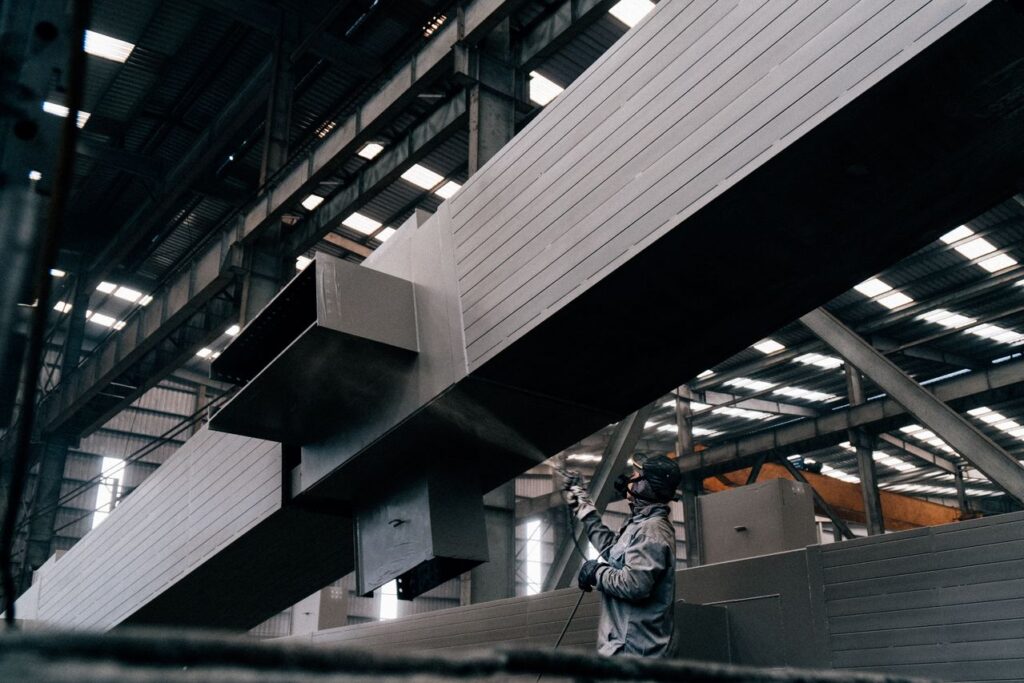
Replacing structural cladding, commercial shopfronts, or factory steelwork can break your budget and halt your daily business operations for weeks. For London property managers, industrial landlords, and commercial building owners, ongoing weather exposure, urban pollution, and general wear create constant aesthetic and structural issues. Complete tearing out and replacement is rarely necessary when a factory-grade finish can be restored on-site at a fraction of the cost.
Choosing a professional industrial spray painting london specialist allows you to revitalize weary commercial properties, extend substrate lifespans, and protect your asset without long operational shutdowns.
What is On-Site Industrial Spray Painting?
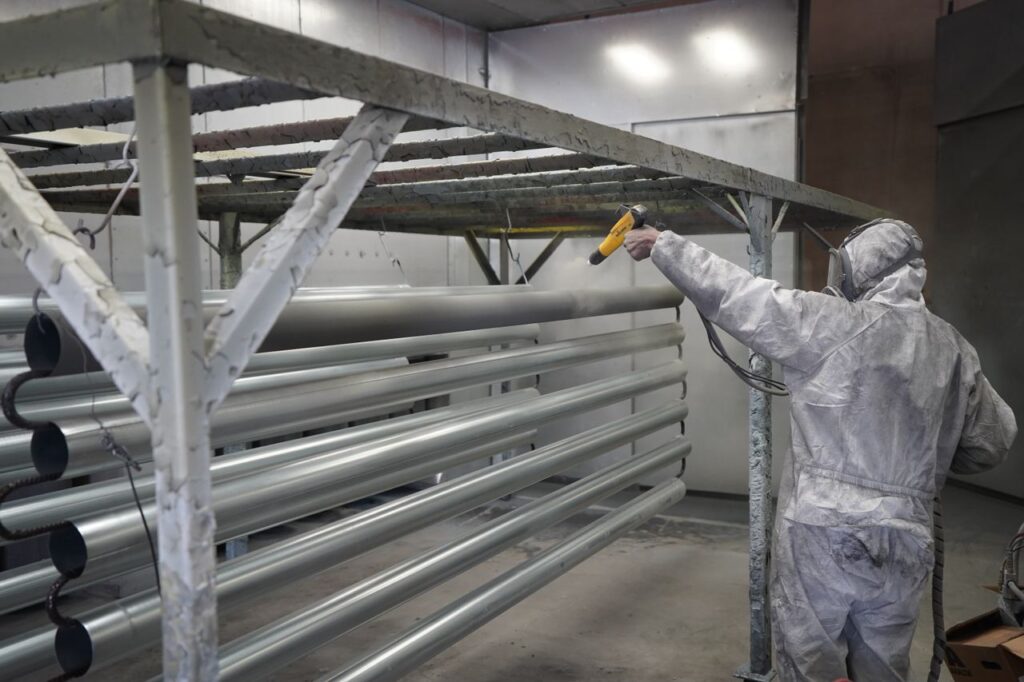
Industrial spray painting applies protective coatings directly to structural substrates on location using high-pressure airless or high-volume low-pressure (HVLP) spraying equipment. Unlike traditional painting methods, high-performance spraying atomizes specialized industrial coatings into a fine mist, forming an even, unbroken barrier across metal, aluminium, composites, and cladding.
Traditional Brushing vs Professional Spray Painting
| Brushes & Rollers | High-Pressure Spraying |
| Visible brush marks | Flawless factory finish |
| Thinner coating layer | High-build protection |
| Labor-intensive | Up to 4x faster execution |
| Risk of roller lint | Completely smooth skin |
Professional spraying outperforms traditional brush and roller applications on large commercial surfaces. Brushes leave subtle ridges that trap London road grime and moisture, leading to premature flaking and corrosion. High-pressure spraying builds a uniform, high-density coat that bonds tightly to raw and previously treated surfaces.
Why Spray Painting Beats Surface Replacement
Choosing on-site spray painting over structural replacement offers significant operational and financial benefits for commercial properties.
- Cost Efficiency: Spraying saves between 60% and 80% compared to removing and replacing metal cladding or architectural features.
- Minimal Disruption: On-site spraying requires no structural demolition, enabling your business to operate normally throughout the project.
- Rapid Execution: Professional spray teams cover vast surface areas quickly, finishing projects in days rather than weeks.
- Factory-Grade Durability: Industrial specialized paint systems resist UV rays, harsh weather, corrosion, and physical impact for up to 15 years.
- Environmental Sustainability: Retaining existing structural substrates keeps heavy building materials out of UK landfills.
The 7-Step Professional Spraying Process
Delivering a flawless finish requires systematic site preparation and technical control. Experienced technicians follow a strict 7-step process on every project.
1. Deep Surface Cleaning & Degreasing
Commercial surfaces accumulate oily residues, atmospheric grime, and bird droppings. Specialists scrub all substrates using heavy-duty industrial degreasers and high-pressure jet washes to remove all contaminants.
2. Abrasion and Mechanical Surface Preparation
Coatings will not bond to slick or damaged surfaces. Technicians lightly sand, wire-brush, or blast the substrate to remove loose rust and create a clean anchor profile for maximum paint adhesion.
3. Precision Masking & Containment

Overspray control is crucial, especially in busy urban areas like London. Teams seal off all adjacent glazing, brickwork, signage, and surrounding vehicles using heavy-duty plastic, specialized masking tape, and containment screens.
4. Application of Specialized Anti-Corrosion Primer
Raw metals and exposed alloys require dedicated primer systems. Technicians apply specialized epoxy or etch primers to seal the substrate, neutralize remaining oxidation, and create a strong chemical bond for the topcoat.
5. Detailed Inspection and Tack-Wiping
Before applying the final coats, technicians inspect the primed surface for minor imperfections. Dust and airborne particles are removed using specialized tack cloths to preserve a smooth surface.
6. Controlled Multi-Coat Spray Application
Using calibrated airless spray units, sprayers apply industrial-grade polyurethane or acrylic topcoats in multiple thin, controlled passes. This builds a protective shell to precise micron depths without runs or drips.
7. Curing and Quality Inspection
The coating cures quickly into a hard surface. Technicians run final quality checks, measuring dry film thickness and checking finish consistency across the entire site before removing all masking materials.
Real-World Application: Commercial Revitalization in City Road
A large logistics warehouse in City Road, London, faced decaying external cladding and faded shopfront framework. Quotes for full structural replacement exceeded £85,000, with an estimated lead time of 6 weeks that would disrupt daily operations.
The Solution:
Our spray technicians contained the site, prepped the weathered plastisol cladding, and sprayed 1,200 square meters of cladding and curtain walling over a single weekend.
The Result:
The commercial building achieved a modern anthracite grey finish with zero operational downtime for tenant businesses. The final cost was £18,500, delivering a 78% total cost saving while providing a 10-year surface guarantee.
Common Prep Pitfalls and Maintenance Tips
Avoiding common errors during prep and application ensures your finish looks exceptional and lasts for years.
| Common Mistake | Technical Risk | Professional Solution |
| Inadequate Degreasing | Coating delamination and blistering within 6 months. | Solvent wipe and jet wash with industrial degreasers. |
| Skipping Primer on Alloys | Immediate peeling on bare aluminium shopfronts. | Apply specialized etch or epoxy primers before topcoat. |
| Spraying in High Humidity | Trapped moisture leading to surface blooming or dulling. | Monitor ambient humidity and dew point levels constantly. |
| Poor Overspray Containment | Costly drift damage to nearby vehicles and windows. | Deploy heavy-duty containment sheeting and extraction screens. |
Long-Term Care Guidelines
Keep your newly sprayed commercial surfaces clean and free of abrasive grime over time:
- Wash surfaces twice annually using warm water and a mild neutral detergent.
- Avoid aggressive pressure washing over 1500 PSI or held closer than 30 cm from the surface.
- Never use harsh solvent cleaners, wire pads, or abrasive compounds on cured finishes.
- Inspect seals and structural flashings yearly to address moisture ingress early.
Cost Analysis: Spraying vs. Structural Replacement
Cost Comparison (UK Commercial Averages per 100m²)
| Service Type | Estimated Cost Range |
| Full Surface Replacement | £7,500 – £12,000 |
| Professional Spraying | £1,800 – £3,200 |
On average, on-site industrial spray painting costs between £18 and £35 per square meter, depending on access demands, substrate conditions, and specialized coating requirements. In contrast, full removal and structural replacement ranges from £75 to £120 per square meter, excluding business downtime losses.
By choosing professional spraying, property managers free up valuable capital while securing commercial-grade protection backed by long-term durability guarantees.
When to Hire a Professional Spray Specialist
While small interior touch-ups might seem like manageable DIY projects, large-scale commercial spraying requires professional expertise. Specialized industrial coatings contain fast-evaporating solvents and high-solid resins that require precise spray pressures, micron-level thickness monitoring, and specialized safety gear.
Working with an established team guarantees complete overspray protection, full insurance compliance, and a flawless finish across complex architectural elements. If your commercial property needs a durable visual refresh, trust a proven UK specialist to handle the job correctly.
Visit IMSprayPainting to discover how tailored commercial spray solutions restore your property’s appearance cleanly and efficiently.
Frequently Asked Questions
How long does on-site industrial spray painting last?
A professionally prepared and applied industrial coating system lasts between 10 and 15 years, depending on site exposure, environmental conditions, and adherence to simple cleaning schedules.
How quickly do industrial spray coatings dry?
Most high-performance industrial coatings dry to the touch within 1 to 2 hours. This quick turnaround allows teams to apply multiple coats in a single day and minimizes operational downtime.
How do you prevent overspray on surrounding buildings and vehicles?
Teams use specialized masking materials, full perimeter sheeting, and ground-level netting. We also monitor local wind conditions carefully to ensure all spray mist stays fully contained.
Can shopfronts and cladding be sprayed during normal business hours?
Yes. Work can be scheduled outside of main operating hours, including nights and weekends, to keep your business running smoothly throughout the project.