Professional MDF Spraying in London for Custom Furniture
Professional On Site Spray Painting Specialist Services in the UK
September 29, 2026On-Site Spray Painting in London: Save Costs, Skip Replacement
October 1, 2026Custom-built MDF joinery, from alcove units and media walls to floor-to-ceiling wardrobes, is a staple of London residential and commercial interior design. However, raw Medium-Density Fibreboard presents unique technical challenges due to its porous cut edges and synthetic resin composition. Hand-painting or rolling these surfaces often leads to brush strokes, heavy orange peel, and localized fibre swelling caused by moisture absorption.
Achieving a true factory finish requires specialized spray techniques, calibrated equipment, and chemical-grade primers designed specifically for engineered timber. According to the Timber Research and Development Association (TRADA), selecting and correctly finishing engineered wood-based panel products like MDF is vital for structural integrity and long-term performance. Applying professional mdf spraying in london turns raw joinery into sleek, highly durable architectural features while saving property owners up to 80% compared to complete tear-out and replacement.
At IMSprayPainting, our master sprayers combine over 15 years of trade expertise to deliver flawless, hard-wearing factory finishes directly to residential sites and commercial workshops across London.
Why Spraying Beats Brushing and Full Furniture Replacement
While brushing applies heavy layers of paint that dry unevenly, spray application atomizes liquid paint into a fine mist. This creates a smooth layer that adheres consistently across flat faces and complex mouldings alike.
| Traditional Brushing/Rolling | Professional Spraying |
| Visible brush strokes & roller stipple | Glass-smooth factory finish |
| High risk of edge swelling & grain raise | Deep-penetrating edge seal |
| Slow drying times leading to dust accumulation | Fast-curing lacquers |
| Weak resistance to scuffs & moisture | Heavy-duty 2-pack coating |
Beyond the aesthetic advantages, opting for professional spraying over full furniture replacement minimizes waste, reduces project turnaround times from weeks to days, and significantly lowers overall costs.
Step-by-Step Professional MDF Spraying Process
Delivering a showroom-quality finish requires a systematic 5-stage application process. Omitting preparation stages compromises adhesion and surface smoothness.
1. Surface Preparation and Fine Extraction
Every sheet of raw MDF contains surface waxes and loose fibers. The substrate is systematically sanded with mechanical orbital sanders. Industrial dust extraction units clear fine particles from the room to prevent airborne contamination during spraying.
2. High-Build Isolation Priming
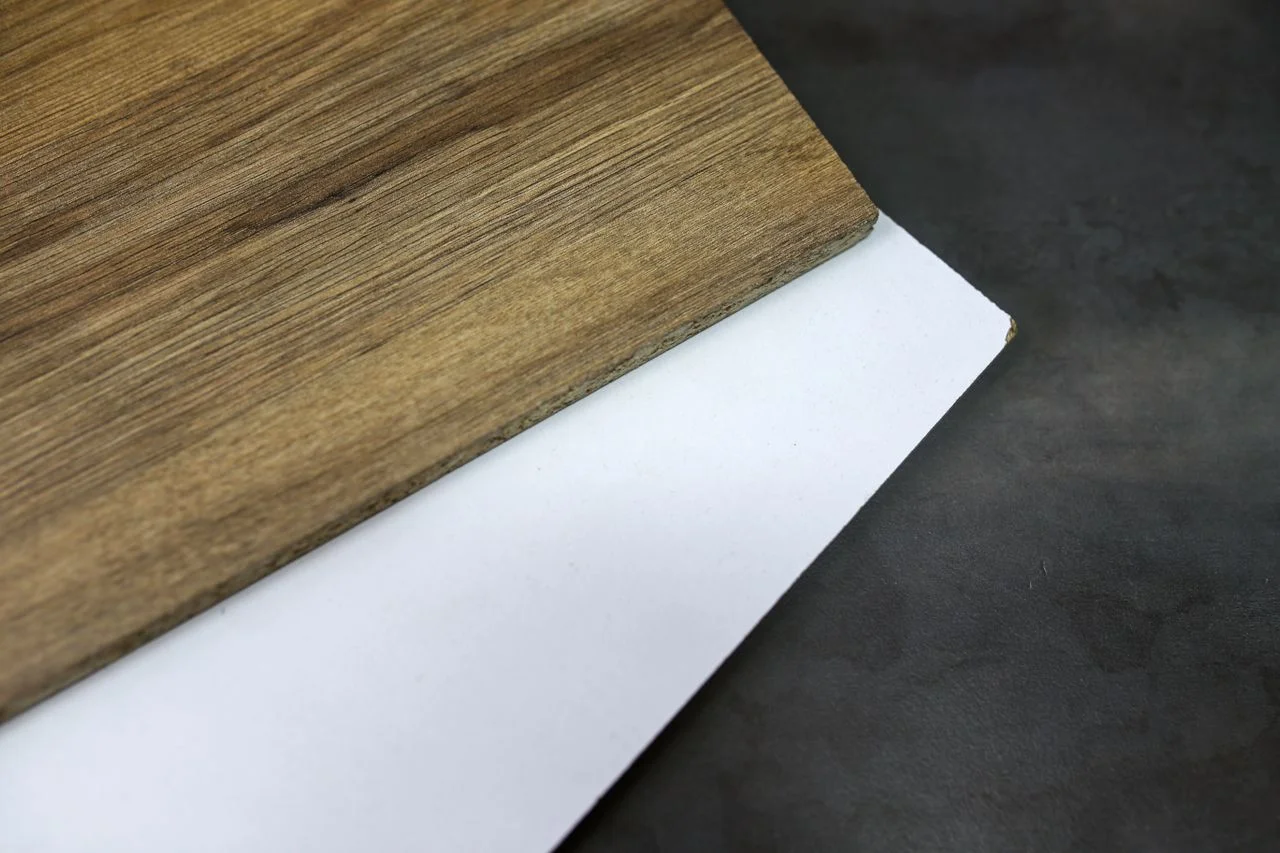
Cut edges of MDF act like sponges, absorbing moisture rapidly. We apply a specialized high-build two-pack polyurethane primer or isolation sealer. This coat binds loose edge fibres, seals porous edges, and creates a dense foundation for the finish layers.
3. Intermediate De-Nibbing (Fine Sanding)
Once the isolation primer dries, microscopic wood fibers rise. The entire piece is carefully hand-sanded (de-nibbed) using fine abrasives (320 to 400 grit) to restore a smooth texture before topcoat application.
4. Precision Topcoat Application
Using High-Volume Low-Pressure (HVLP) or air-assisted spray systems, 2 coats of commercial-grade lacquer are applied. The Health and Safety Executive (HSE guidelines on woodworking) notes that MDF can be machined and finished to an exceptionally high standard when proper controls and materials are used. Colour matching is available for all major paint manufacturers, including Farrow & Ball, Little Greene, Dulux, and RAL codes.
5. Curing and Quality Control
The finished pieces undergo temperature-controlled curing. The cured surface forms a hard-wearing shield resistant to impact, chemical cleaning agents, and UV yellowing.
Real-World Case Study: Media Wall Transformation in Fulham

A homeowner in Fulham, Southwest London, commissioned bespoke MDF alcove units and a large central media wall. The joiner completed the structural installation using raw Moisture-Resistant (MR) MDF, leaving bare edges and visible fixing points.
Our spray team moved on-site, fully encapsulated the room with heavy-duty protective polythene, and installed portable air-scrubbing extraction units. Over 2 days, the team sealed all cut edges, applied 2 coats of high-build primer, hand-sanded the surfaces, and sprayed 2 final coats of 20% sheen satin lacquer matched to a popular deep navy shade.
The client achieved a bespoke, factory-fitted appearance for £1,100, saving over £3,000 compared to sourcing pre-finished factory-built cabinetry.
Common DIY Mistakes and Maintenance Best Practices
Attempting to paint raw MDF with household trade emulsions or DIY rollers often leads to disappointing, textured surfaces that chip easily.
Pitfalls to Avoid
- Applying Water-Based Emulsion directly to Unsealed Cut Edges: Water causes the exposed fibres to swell, resulting in a rough, furry texture that is difficult to flatten.
- Rushing Between Coats: Failing to de-nib between primer and topcoat leaves grit trapped beneath the final paint layer.
- Inadequate Masking on Site: Uncontained spray mists can drift onto flooring, windows, and light fixtures. Professional site containment is essential.
Long-Term Care Tips
- Clean sprayed surfaces with a damp microfiber cloth and warm, soapy water.
- Avoid harsh abrasive pads, bleach, or solvent-based cleaners that can dull the sheen level.
- Wipe away liquid spills promptly around joints and seams to ensure long-term moisture resistance.
Cost Comparison & Expected Service Life in London
Investing in professional spraying offers substantial savings over buying new custom furniture, with durability that easily stands up to daily family life.
| Feature / Item Type | Average Full Replacement Cost | Average Professional Spray Cost | Expected Service Life |
| Double Alcove Units (Pair) | £3,200 – £5,500 | £750 – £1,200 | 10–15 Years |
| Custom Living Room Media Wall | £2,800 – £6,000 | £650 – £1,300 | 10–15 Years |
| Bespoke Fitted Wardrobe (4 Doors) | £3,000 – £5,000 | £850 – £1,450 | 12+ Years |
| MDF Internal Doors (Per Door) | £200 – £400 | £70 – £120 | 10+ Years |
When to Hire a Professional Spray Specialist
While small craft items can be tackled in a garage, large fitted furniture, wall panelling, and high-visibility media units require professional spray equipment and controlled application environments.
If your project involves large panels, custom colour matching, or precise sheen levels, hiring experienced specialists avoids ruined joinery and costly re-work. Explore our dedicated mdf spray painting london solutions to learn more about our on-site and off-site spraying services for London homeowners and trade clients.
Summary & Next Steps
Professional spray painting converts raw MDF joinery into durable, elegant furniture with a glass-smooth finish. By using specialized high-build primers, fine intermediate sanding, and high-grade lacquers, you can achieve a factory-quality look while keeping project costs under control.
Whether you are updating existing built-in cabinets or completing a new bespoke joinery installation, request a free quote from our expert spray team today to discuss your project requirements.
Frequently Asked Questions
Can porous MDF cut edges really be sprayed smooth?
Yes. Using specialized high-build spray primers followed by fine hand-sanding (de-nibbing) seals porous edges completely, matching the smooth surface of the main board face.
How long does sprayed MDF take to dry and fully cure?
Sprayed coats become touch-dry within 1 to 2 hours in a controlled environment. While items can be handled within 24 to 48 hours, full chemical curing takes between 5 to 7 days.
Can spray paint be matched to custom designer colours?
Yes. Commercial spray lacquers can be colour-matched to major paint brands, including Farrow & Ball, Little Greene, Dulux, and RAL color codes—in matte, satin, or gloss sheens.
Is on-site MDF spraying messy or noisy?
No. When spraying on-site, professionals build sealed polythene containment tents and use high-efficiency air extraction systems to keep all overspray and fumes contained safely.
